

Start in Six Weeks: 2026 Museum Marketing Strategies for Small Teams

Updated: 3 days ago
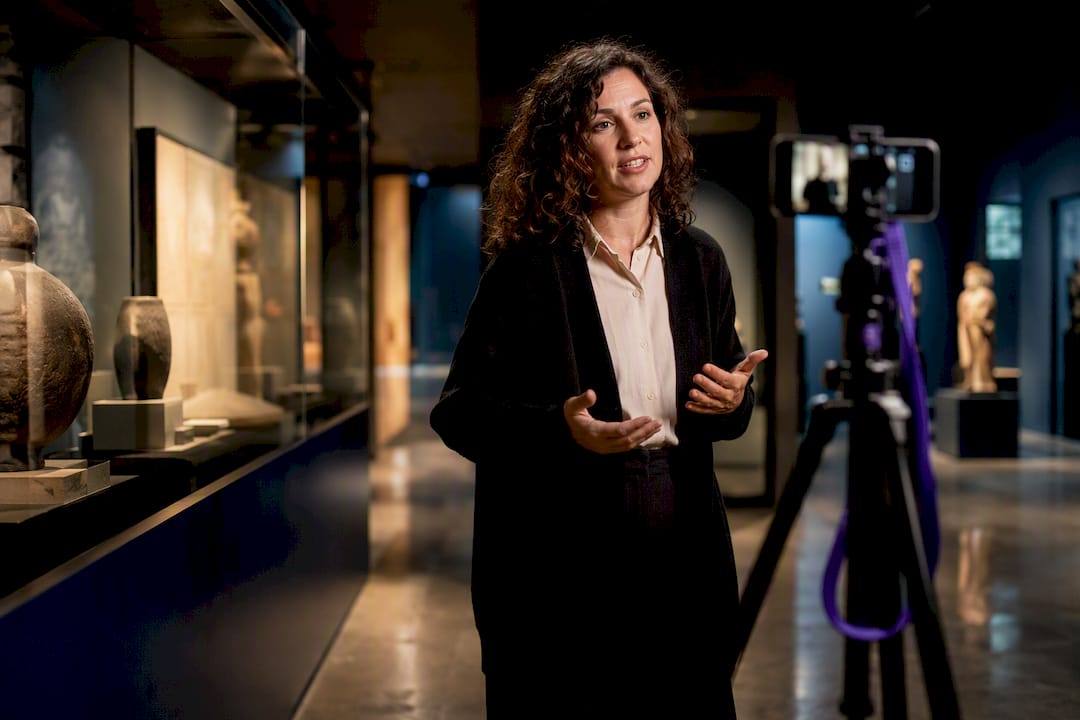
The winning approach combines four moves working together: segment your audience with real data, tell platform-specific stories instead of broadcasting announcements, build experiential programs that generate their own content, and measure everything against a nurturing model that keeps visitors coming back. The American Alliance of Museums (AAM) frames this as visitor nurturing, and SMART goals give you the measurable spine to hold it all together.
TL;DR:
Audience segmentation should be based on last year’s ticketing data, email engagement, and membership renewals to target messaging effectively.
Platform-specific storytelling, such as curator videos on TikTok or behind-the-scenes content on Instagram, generates higher engagement with minimal budget.
Experiential programs like after-hours or themed nights, combined with partnerships, expand reach and create social content without significant additional costs.
Post-visit nurturing through automated email sequences and clear membership outcomes helps sustain visitor relationships and improve revenue.
Measuring campaign performance with attribution tools like UTM tags and promo codes is crucial to avoid wasting resources on ineffective tactics.
Table of Contents
The Essential Museum Marketing Strategy Categories
Most museum marketing plans fail because they try to do everything at once instead of sequencing what matters. Here’s the priority order, with an immediate action for each:
Audience segmentation. Split your list by visit frequency and interest before you write a single ad. Action: pull last year’s ticketing data into three buckets (first-timers, lapsed, members).
Platform-specific storytelling. Match content format to platform, not the other way around. Action: pick one curator and give them 20 minutes a week for short-form video.
Experiential programming. Events generate visits and shareable content in one motion. Action: schedule one after-hours or themed night per quarter.
Digital advertising. Paid reach fills the gaps organic can’t. Action: test a $500 Meta campaign against a single exhibition.
Post-visit nurturing. The visit is the beginning of the relationship, not the end. Action: build a three-email welcome sequence this month.
Measurement. Attribution separates guessing from knowing. Action: add UTM tags to every campaign link starting today.
Audience Insight and SMART Goal Setting
Vague goals produce vague campaigns. MuseumNext’s research on planning for marketing success ties SMART goals directly to segmentation by frequency, interest, and demographics, because a goal without a defined audience is just a wish.
Populate your segments fast using data you already have:
Ticketing and CRM records for visit frequency and recency.
Email engagement history for interest categories (families, art history, science programming).
Membership renewal dates for lifecycle stage.
Three starter segments cover most institutions. First-timers get a welcome offer with a low-friction second visit incentive. Lapsed visitors (no visit in 12+ months) get a “we’ve changed” message featuring new exhibitions. Members near renewal get an exclusive preview invite tied directly to the renewal deadline.
Digital Channels and Storytelling That Match Your Audience
Your channel choice should follow your audience, not your comfort level. TikTok and YouTube Shorts reach younger, discovery-minded visitors who respond to curator explainers and behind-the-scenes footage. Instagram carries your visual identity and event promotion to an already-engaged following. Facebook still works for event RSVPs and reaching an older demographic that trusts it for local information. LinkedIn is underused for museum marketing but effective for corporate partnerships, donor relations, and press.
The shift from announcement-style posts (“New exhibition opens Friday”) to audience-centered storytelling is where the real gains happen. Museum Industry411’s analysis points to low-budget UGC campaigns, like the viral Getty Museum Challenge and Sacramento History Museum’s follower growth, as proof that authentic, participatory content scales awareness without a production budget.
Formats worth testing:
UGC challenges that invite visitors to recreate or respond to a piece
60-second curator explainers shot on a phone
Behind-the-scenes footage of installation or conservation work
Run experiments in three to six-week cycles. Long enough to gather real signal, short enough to pivot before a budget is wasted.
Pro Tip: Batch-record five short clips in one afternoon with a single curator, then release them one per week. You get a month of content from one hour of effort.
Experiential Programming and Partnerships That Extend Your Reach
Events do double duty: they drive ticket sales and they hand you a month of social content. After-hours events attract young professionals who won’t come during museum hours. Family festivals bring in a segment that skews toward repeat visits. Film series and immersive experiences, like outdoor film screenings at the North Carolina Museum of Art, pull in audiences who might never set foot in a gallery on a Tuesday afternoon.
Partnerships multiply this reach without multiplying your budget. Local businesses, tourism boards, and universities are high-leverage collaborators that smaller institutions rarely tap fully, according to Lengreo’s marketing research.
Cross-promote with a nearby restaurant offering a discount with a same-day ticket stub.
Partner with a university’s art or history department for co-branded programming.
Track event ROI through promo codes, signup counts, and a short post-event survey.
Membership and Post-Visit Nurturing
The visit isn’t the finish line. AAM’s nurturing model treats it as the opening move in a longer relationship, one that requires mapping the visitor experience and building follow-up touchpoints tied to actual behavior. Email remains a high-ROI channel for this precisely because it supports that kind of automation.
Three flows to build first:
Welcome sequence for new visitors, introducing membership benefits within 48 hours of a first visit.
Post-visit follow-up with a satisfaction check and an invitation to a related upcoming program.
Lapsed-member reengagement triggered automatically after 12 months of inactivity.
Frame membership around concrete outcomes: unlimited visits, member-only previews, guest passes. Calculate your break-even by dividing membership price by average single-ticket price. A membership at $75 with a $20 ticket breaks even at four visits.
Measuring What Actually Matters
Vanity metrics like impressions feel good and tell you almost nothing about revenue. The KPIs that matter are ticket conversion rate, membership growth rate, cost per acquisition (CPA), email conversion rate, and return on ad spend (ROAS).
Attribution doesn’t require enterprise software. Campaign-specific promo codes, UTM parameters on every link, and a “how did you hear about us” field at checkout will tell you which channel actually drove the sale.
A staged plan that connects digital touchpoints to the onsite experience, backed by real measurement, consistently outperforms ad-hoc tactics, according to Tangram’s museum marketing framework. Institutions that skip the measurement step tend to repeat the same underperforming tactics quarter after quarter simply because nobody can prove they aren’t working.
Three A/B tests worth running this quarter: subject line variations on your welcome email, static image versus short video in paid social, and a discount offer versus a bonus-experience offer for lapsed members.
Website and Ticketing: Removing Friction From the Visit
A beautiful campaign that lands on a slow, confusing ticketing page wastes every dollar behind it. Visit-planning pages need hours, directions, accessibility information, and pricing visible without scrolling past a hero image. Mobile checkout has to work in three taps or fewer.
Confirm page load speed under three seconds on mobile connections.
Add a one-click “add to calendar” button on every event page.
Make sure your ticketing platform integrates cleanly with your CRM and email tool.
Use QR codes on print materials and signage that link straight to a specific ticket type.
Small fixes here often move conversion more than a new ad creative does, because they remove the last obstacle between interest and purchase.
Content Planning and Resourcing on a Small Team
Most museum marketing teams run on two or three people covering social, email, paid ads, and web. That’s workable if you build a lean content supply chain instead of trying to post daily bespoke content. Tangram recommends recording small batches, one curator clip, one photo set, one short video, and repurposing each piece across three or four channels.
Assign one person to content capture, one to scheduling and paid media, and lean on volunteers or a part-time contractor for overflow production during exhibition launches.
How Opti Arts Puts These Strategies Into Practice
The tactics above only work when someone is executing paid media, tracking attribution, and adjusting spend in real time, which is exactly where Opti Arts operates for cultural organizations. Campaigns run across major platforms such as social media and streaming services, matched to the audience segments and platform choices covered above.
The Breakeven dashboard ties ticket sales back to the specific campaign that generated them, closing the attribution gap most in-house teams struggle with.
A typical engagement might track something like: exhibition launch campaign, measured against a control period.
Crisis Communication and Reputation Management
A single controversial exhibition label, a canceled program, or a viral complaint can undo months of careful brand-building in a weekend. Museums need a response plan before they need it, not while a Twitter thread is already trending.
Start with a clear chain of command: who drafts the statement, who approves it, and who posts it. When a crisis hits at 9 p.m. on a Saturday, nobody has time to figure out approval hierarchy from scratch. Designate one primary spokesperson and one backup, and make sure both understand the institution’s values well enough to respond without waiting for a committee.
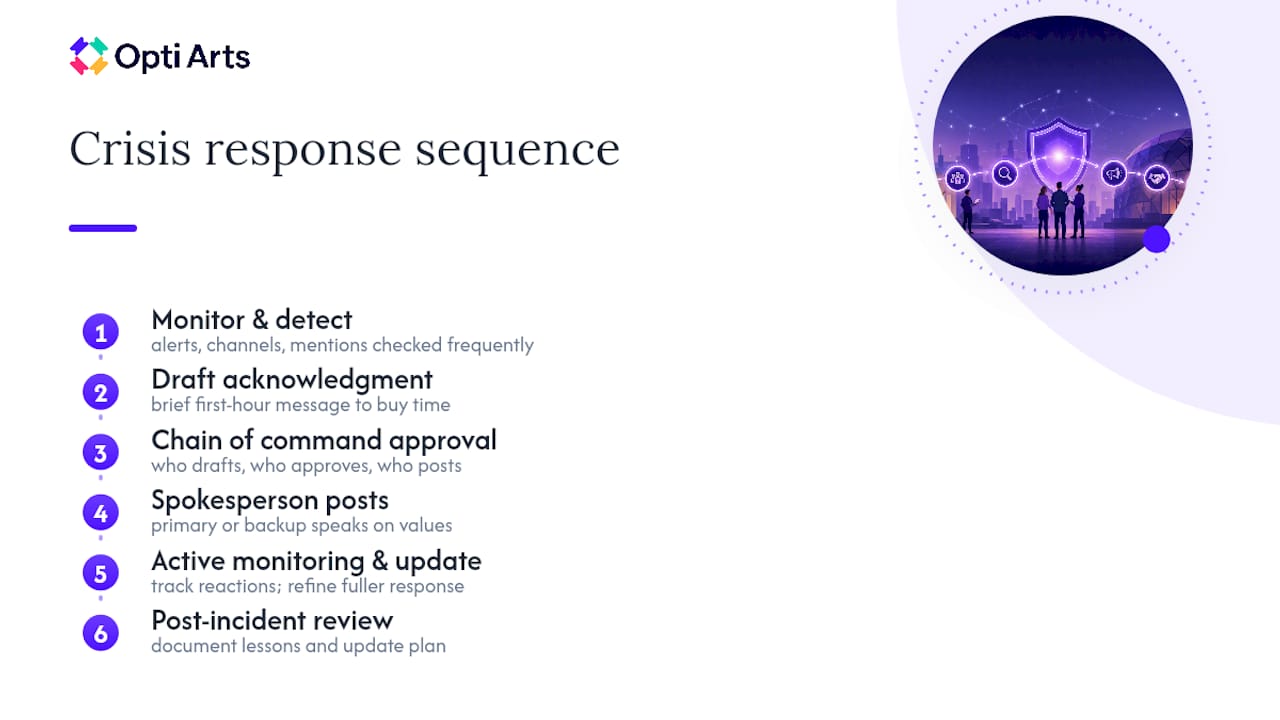
Speed matters more than perfection in the first hour. A brief acknowledgment (“We’re aware of the concern raised about [X] and are looking into it”) buys time to craft a fuller response without looking evasive. Silence for 24 hours while a story spreads almost always makes the eventual response look defensive, even when it isn’t.
Monitor your own channels and mentions actively during any sensitive period, whether that’s a controversial acquisition, a public program that draws protest, or an internal HR issue that leaks externally. Set up alerts for your museum’s name plus common misspellings, and check them more than once a day during an active situation.
After the immediate crisis passes, the reputation work continues. Document what happened, what worked, and what didn’t, then update your response plan. Museums that treat each incident as a one-off rather than folding lessons into a living crisis protocol tend to repeat the same missteps. Transparency about mistakes, paired with a visible correction, tends to rebuild trust faster than a defensive non-apology ever does.
Leveraging Influencer Collaborations and Advocacy
Museums sit in an unusually strong position right now: audiences are actively seeking trustworthy, contextual voices instead of polished corporate messaging, which MuseumNext’s research on the creator economy identifies as a real opening for institutions willing to shift from broadcasting to conversation.
That doesn’t mean chasing influencers with the largest follower counts. A local food or lifestyle creator with 8,000 engaged followers in your city will often drive more foot traffic than a national influencer with a million followers who has never set foot in your gallery. Micro-influencers tend to have higher engagement rates and audiences who trust their recommendations because the relationship feels personal rather than transactional.
Your own curators and educators are an underused influencer resource sitting inside your building right now. A curator who can explain why a specific piece matters, on camera, in under a minute, often outperforms paid influencer content because the expertise reads as genuine rather than sponsored. Give one or two staff members permission and a little coaching to become the recognizable voices of your institution online.
Structure collaborations around exchange, not just payment. Offer influencers early access to a new exhibition, a behind-the-scenes tour with a curator, or a co-hosted event. Many cultural creators will trade content for access precisely because it gives them something their audience hasn’t seen elsewhere.
Advocacy extends beyond paid or gifted collaborations. Members and repeat visitors who genuinely love your institution are a free advocacy channel if you make sharing easy: a well-designed photo spot, a simple hashtag, a reason to post. Track which organic mentions get the most engagement and lean into that content style for your own official channels.
Seasonal and Special Exhibition Promotional Tactics
A major traveling exhibition and a quiet summer month require completely different marketing calendars, and treating them the same wastes both opportunities.
For a headline exhibition, start the campaign eight to twelve weeks before opening with teaser content: partial reveals, curator anticipation clips, and a countdown that builds urgency without giving away the full experience. Timed tickets for blockbuster shows create natural scarcity messaging (“Friday slots for [exhibition] are filling up”) that performs well in paid social and email.
Seasonal patterns matter just as much as exhibition calendars. Summer months bring family audiences with school-age children, which means daytime programming and family-ticket bundles should dominate messaging from May through August. Fall and winter often skew toward member renewals and holiday gift memberships, a natural moment for a “give the gift of a year of art” campaign. Spring break and holiday weeks are short, high-intent windows worth a dedicated push rather than folding into your general calendar.
Slow seasons need a different strategy entirely: rather than pushing the same messaging into a quiet month, use it to build the audience segments and content library you’ll need for the next big push. A quiet February is the right time to batch-record curator content, refresh your email welcome sequence, or run a lower-cost brand-awareness campaign that doesn’t depend on immediate conversion.
Coordinate exhibition promotion with your broader calendar so a blockbuster launch doesn’t collide with a scheduled member renewal campaign competing for the same inboxes and ad budget.
Using AR and VR in Museum Marketing
Augmented and virtual reality have moved from novelty to a legitimate marketing and engagement tool, though the return depends heavily on execution and audience fit. A well-built AR feature that lets a visitor point their phone at a painting to see it restored to its original colors, or hear the artist’s own words, gives you something genuinely shareable that a static exhibit label can’t.
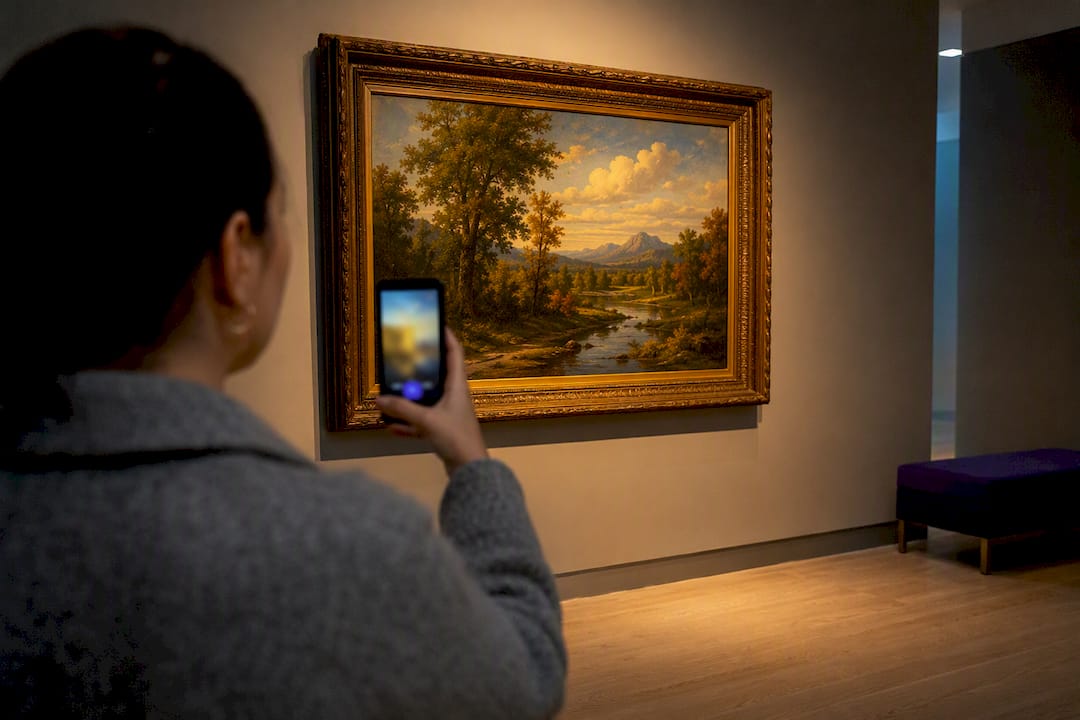
The marketing value often outweighs the visitor-experience value in the short term. A striking AR demo clip, posted to Instagram or TikTok, tends to generate curiosity clicks and press coverage even among people who have no immediate plan to visit. That awareness-building function alone can justify a modest AR investment tied to a single flagship piece rather than an entire gallery.
VR carries a higher production cost and a narrower use case: a virtual walkthrough of a space undergoing renovation, a recreation of a destroyed or inaccessible historical site, or an immersive companion experience for a major exhibition. These work best as a marketing asset, a video capture of the VR experience shared online, rather than expecting most visitors to actually strap on a headset during a typical visit.
Before committing budget, test small. A single AR filter on Instagram or Snapchat tied to your current exhibition costs far less than a custom app and tells you quickly whether your audience engages with this kind of content at all. If engagement is strong, scale toward a more ambitious in-gallery experience. If it falls flat, you’ve learned that cheaply instead of expensively.
Accessibility and Inclusivity in Marketing Campaigns
Marketing that reaches everyone starts with content that everyone can actually use. Every video needs captions, not just for viewers who are deaf or hard of hearing but for the large share of social media users who watch with sound off by default. Every image needs alt text. Every email needs sufficient color contrast and a font size that doesn’t require a visitor to zoom in on their phone.
Representation in your imagery matters as much as the technical accessibility of your content. If your marketing visuals only ever show one type of visitor, families of a single demographic, able-bodied adults, a narrow age range, you’re quietly telling everyone outside that frame the museum isn’t built for them. Photograph and feature the actual range of people who visit or who you want to visit.
Language matters in ways that are easy to overlook. Promotional copy calling an exhibition “must-see” or describing an immersive experience as fully “hands-on” can unintentionally signal exclusion to visitors with visual or mobility disabilities. Pair vivid, sensory language with accurate information about what alternative access looks like, audio description, tactile elements, wheelchair-accessible routes, so no visitor discovers a barrier only after arriving.
Inclusive marketing extends to pricing and access programs, too. If your institution offers free days, sliding-scale membership, or partnerships with community organizations serving lower-income families, that information belongs in your regular marketing rotation, not buried on a single accessibility subpage. Treating inclusive access as a footnote rather than a headline undersells one of the more meaningful things many museums already offer.
Budgeting and Resource Allocation for Museum Marketing
Smaller institutions with genuinely tight budgets should resist the urge to spread thin across every channel at once. Local SEO and consistent “museum name plus city” visibility deliver more reliable returns than a scattered national paid campaign, because nearby visitors still rely heavily on that kind of search when deciding where to spend a Saturday.
Reallocate budget based on what your measurement actually shows, not what worked last year by default. If a $500 test campaign on one platform outperforms a legacy $2,000 spend on another, shift the money. Museums that lock in the same budget split year after year without revisiting performance data tend to keep funding their weakest channel simply out of habit.
Resource allocation isn’t only about money. Staff time is a budget line too, and a small team spread across too many channels produces mediocre content everywhere instead of strong content somewhere. Better to run three channels well than seven poorly, and let your audience data decide which three.
An Honest First Step for Museum Marketers
Start with a six-week audience segmentation and paid social test, not a full rebrand. Expect early wins in engagement before ticket revenue moves, and budget your team’s time accordingly.
— Trevor
Opti Arts: A Faster Path to Measurable Results
Building this playbook in-house is entirely possible with the right time, staff, and patience. It is an alternative when a museum marketing team wants segmentation, platform testing, and paid media execution running now instead of after a hiring cycle, with attribution built in from day one rather than bolted on later.
Campaigns run across major digital advertising platforms, matched to the audience segments and content formats covered throughout this playbook. The Breakeven dashboard connects each campaign directly to ticket sales, so you know which channel earned the visit rather than guessing from last-touch reporting. For teams that have tested a few paid campaigns manually and want the attribution question answered clearly, that dashboard alone often justifies a look.
Explore Opti Arts’ solutions for cultural organizations or request a walkthrough of Breakeven to see how your next exhibition campaign could be tracked from first impression to ticket sale.
Sources
FAQ
What Is the 3-3-3 Rule for Marketing?
The 3-3-3 rule suggests testing three audiences, three creative variations, and three platforms in short cycles before scaling a campaign, a pace that maps well onto the three-to-six week testing cadence recommended earlier for social content.
What Are the Five Main Marketing Strategies for Museums?
The five priority areas covered here are audience segmentation, platform-specific digital storytelling, experiential programming, targeted paid advertising, and post-visit nurturing through membership and email automation.
What Are the Seven Strategies of Marketing?
Definitions vary by source, but a common version covers product, price, place, promotion, people, process, and physical evidence, the extended marketing mix, which museums apply through exhibition design (product), ticket pricing, visit-planning access (place), campaigns (promotion), staff and volunteers (people), the visitor journey (process), and the physical museum experience itself.
What Are the Five P’s of Tourism Marketing?
Tourism marketing generally applies product, price, place, promotion, and people, with museums translating “product” into the exhibition or collection experience and “people” into the staff, docents, and volunteers who shape a visitor’s impression on site.
How Does Membership Nurturing Actually Increase Revenue?
Automated welcome, post-visit, and reengagement email flows keep first-time visitors moving toward membership and keep lapsed members from disappearing entirely, and platforms like Opti Arts’ Breakeven dashboard can attribute which campaigns and touchpoints actually drove those renewals.
Recommended